
Fashion Jewelry Materials Guide: Common Materials Used in Jewelry Manufacturing
Fashion jewelry can be produced from a wide variety of materials, and each material offers different advantages in terms of appearance, durability, price, and manufacturing process.
For jewelry brands, designers, and buyers, understanding the differences between these materials is essential when selecting products or developing new collections.
In this guide, we introduce some of the most common materials used in fashion jewelry manufacturing, including their characteristics, typical applications, and price positioning.
Why Understanding Jewelry Materials Matters
The choice of material plays a critical role in jewelry design and production. Different materials affect:
- Product durability
- Manufacturing cost
- Surface finishing options
- Target market positioning
For example, some materials are better suited for high-end jewelry, while others are commonly used in fashion accessories and mass-market products.
Common Materials Used in Fashion Jewelry
The following table summarizes several commonly used materials in jewelry manufacturing.
| Material | Durability | Price Level | Common Use |
|---|---|---|---|
| Stainless Steel | High | Medium | Chains, bracelets, rings |
| Brass | Medium | Low | Fashion jewelry |
| Zinc Alloy | Low–Medium | Low | Decorative pieces |
| Sterling Silver | High | Higher | Fine jewelry |
| Titanium | Very High | High | Premium jewelry |
Stainless Steel Jewelry
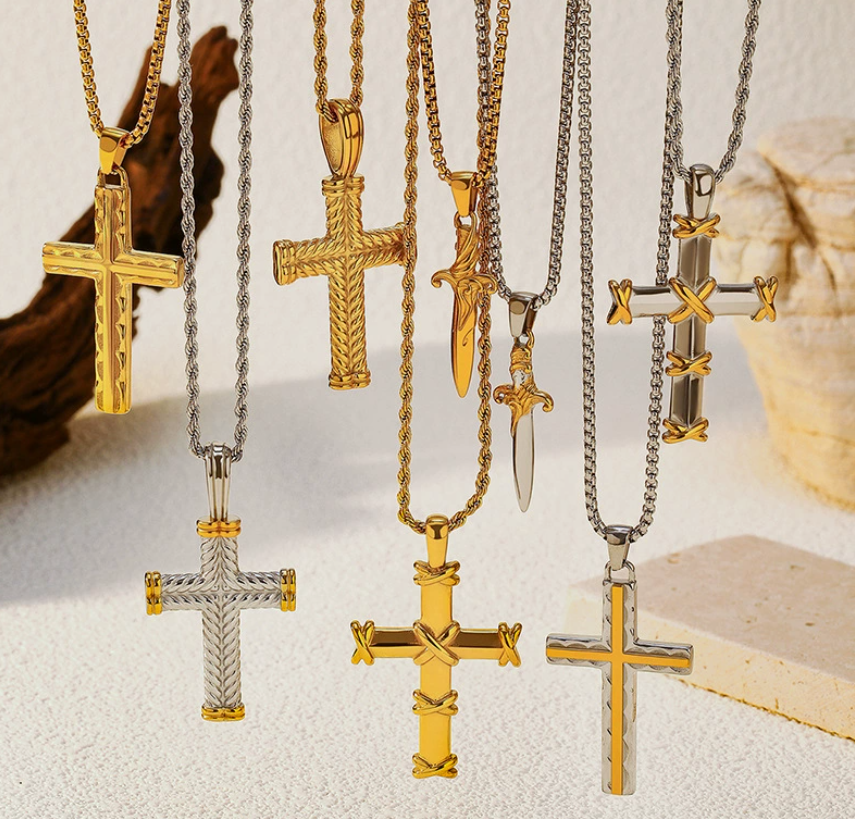
Stainless steel has become one of the most popular materials used in modern jewelry manufacturing.
It is widely used because of its durability, corrosion resistance, and relatively affordable cost compared with precious metals.
Advantages of stainless steel jewelry include:
- Strong resistance to rust and corrosion
- High durability for daily wear
- Hypoallergenic properties for many wearers
- Suitable for advanced finishing such as PVD plating
Stainless steel is commonly used for chains, bracelets, rings, and earrings, especially in contemporary fashion jewelry collections.
Brass Jewelry

Brass is another widely used material in fashion jewelry.
It is easy to cast and shape, which makes it ideal for creating complex decorative designs. Brass jewelry is often plated with gold, silver, or other finishes to achieve the desired appearance.
Common advantages include:
- Good formability for detailed designs
- Lower material cost
- Widely used in plated fashion jewelry
However, brass may require protective coatings because it can oxidize over time.
Zinc Alloy Jewelry
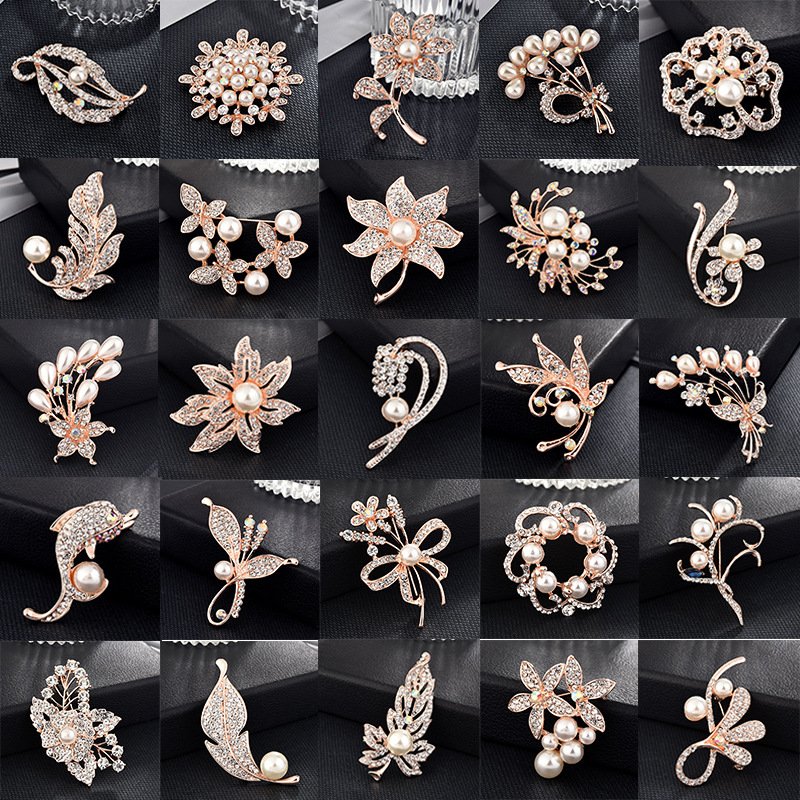
Zinc alloy is commonly used for jewelry components that require casting into complex shapes.
It is often chosen for decorative elements such as pendants, charms, and statement jewelry pieces.
Advantages include:
- Very good casting capability
- Low production cost
- Suitable for mass production
However, zinc alloy generally has lower durability compared with stainless steel or silver.
Sterling Silver Jewelry
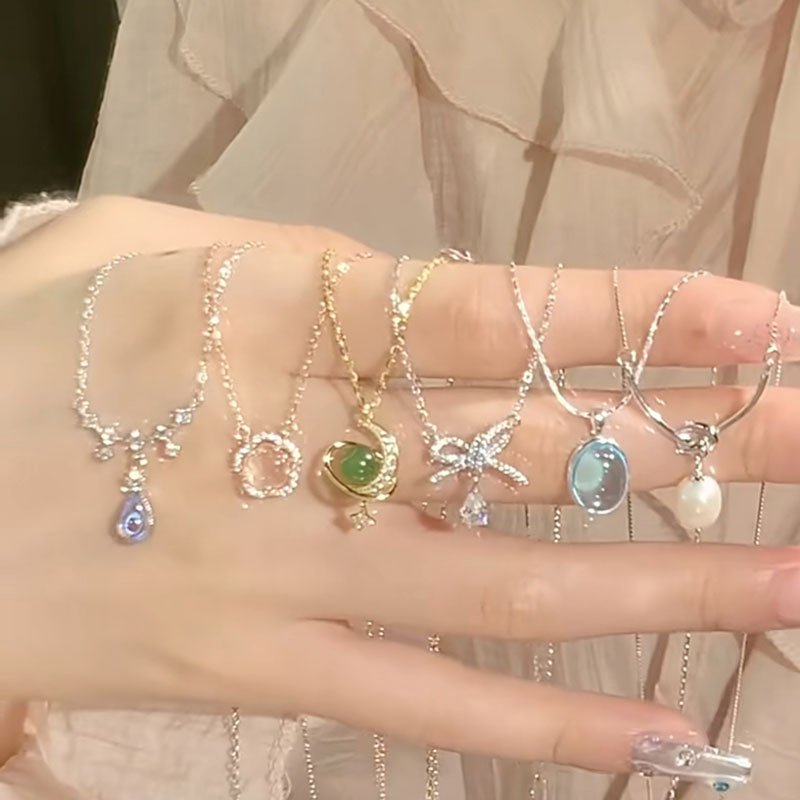
Sterling silver is a precious metal alloy containing 92.5% silver.
It is commonly used in higher-end jewelry due to its beautiful appearance and intrinsic value.
Characteristics of sterling silver jewelry include:
- Bright and attractive natural color
- High material value
- Suitable for fine jewelry designs
However, sterling silver can tarnish over time if not properly maintained.
Titanium Jewelry
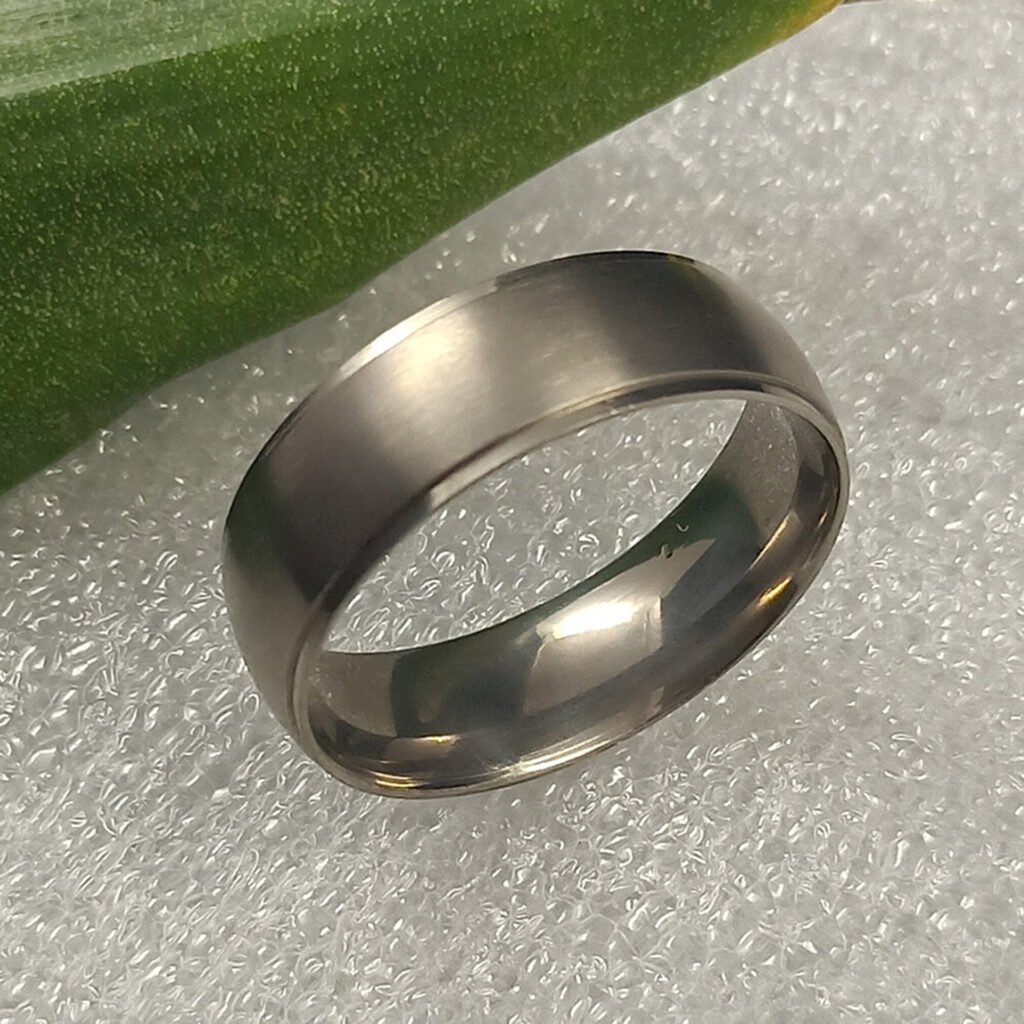
Titanium is known for its extreme strength and lightweight properties.
Although it is less commonly used in fashion jewelry compared with stainless steel or brass, it is popular in certain niche markets such as men’s jewelry and high-performance accessories.
Advantages include:
- Very high strength-to-weight ratio
- Excellent corrosion resistance
- Hypoallergenic properties
Because titanium is more difficult to process, the manufacturing cost is usually higher.
How to Choose the Right Jewelry Material
When selecting materials for jewelry production, several factors should be considered:
- Target market positioning
- Desired durability
- Surface finishing requirements
- Budget and production scale
For example, stainless steel is often chosen for durable fashion jewelry, while sterling silver may be preferred for fine jewelry collections.
Understanding these differences can help buyers and designers choose the most suitable materials for their products.
FAQ About Jewelry Materials
What is the most durable material for fashion jewelry?
Stainless steel and titanium are among the most durable materials commonly used in fashion jewelry.
Why is stainless steel popular in jewelry manufacturing?
Stainless steel offers excellent durability, corrosion resistance, and compatibility with modern plating technologies such as PVD coating.
Does brass jewelry tarnish?
Yes, brass can oxidize over time, but plating and protective coatings can help reduce tarnishing.
Final Thoughts
Fashion jewelry can be made from many different materials, each offering unique characteristics and advantages.
From stainless steel and brass to sterling silver and titanium, understanding the differences between these materials helps jewelry brands and buyers make better decisions when developing new collections or sourcing products.
Want to Learn More?
If you are interested in learning more about jewelry manufacturing, chain styles, or plating technologies, feel free to explore our other guides or contact us for further discussion.