
Why can a simple-looking piece of cast stainless steel jewelry take 15–20 days to produce? And why does it usually cost more than a laser-cut or pressed jewelry piece?
The answer is not only the amount of stainless steel used. The real cost comes from mold development, repeated drying and cooling stages, high-temperature equipment and more than ten production steps—many of which still require workers to handle every piece by hand.
Here is a simple factory-level explanation of the stainless steel jewelry casting process.
A 15–20 Day Process at a Glance
| Stage | Typical time | Why it takes time |
|---|---|---|
| Master and rubber mold making | About 1 week for a new style | Tooling must reproduce the design accurately |
| Wax injection and wax-tree assembly | Depends on quantity | Wax pieces are checked and attached by hand |
| Ceramic shell building | About 3 days | Several coating and drying cycles are required |
| Firing, pouring and cooling | About 1–2 days | The shell is fired, steel is poured and the casting cools naturally |
| Cutting, polishing and finishing | Depends on design | Every piece needs individual surface work and inspection |
For a new custom design, the complete process commonly takes around 15–20 days. Complex structures, sample revisions, quantity and finishing requirements can extend the timeline.
1. A New Design Needs Two Tooling Stages
The factory first develops a master metal mold—often called a copper master in the workshop. The master is then used to make a rubber mold, which produces repeatable wax patterns.
Developing and checking these tools can take about one week for a new style. If the factory already has a suitable mold, this stage may be shorter and a new mold fee should not be charged. An exclusive or completely new design, however, requires real tooling work.
For practical mold-fee checks, see our buyer guide to custom cast stainless steel jewelry.
2. The Wax Pieces Are Assembled by Hand
Liquid wax is injected into the rubber mold to make a wax copy of each jewelry piece. Workers inspect these patterns and attach them one by one to a central runner, creating a wax tree.
Correct position and spacing help molten steel flow through the tree during casting. More components and more complex shapes mean more manual work.
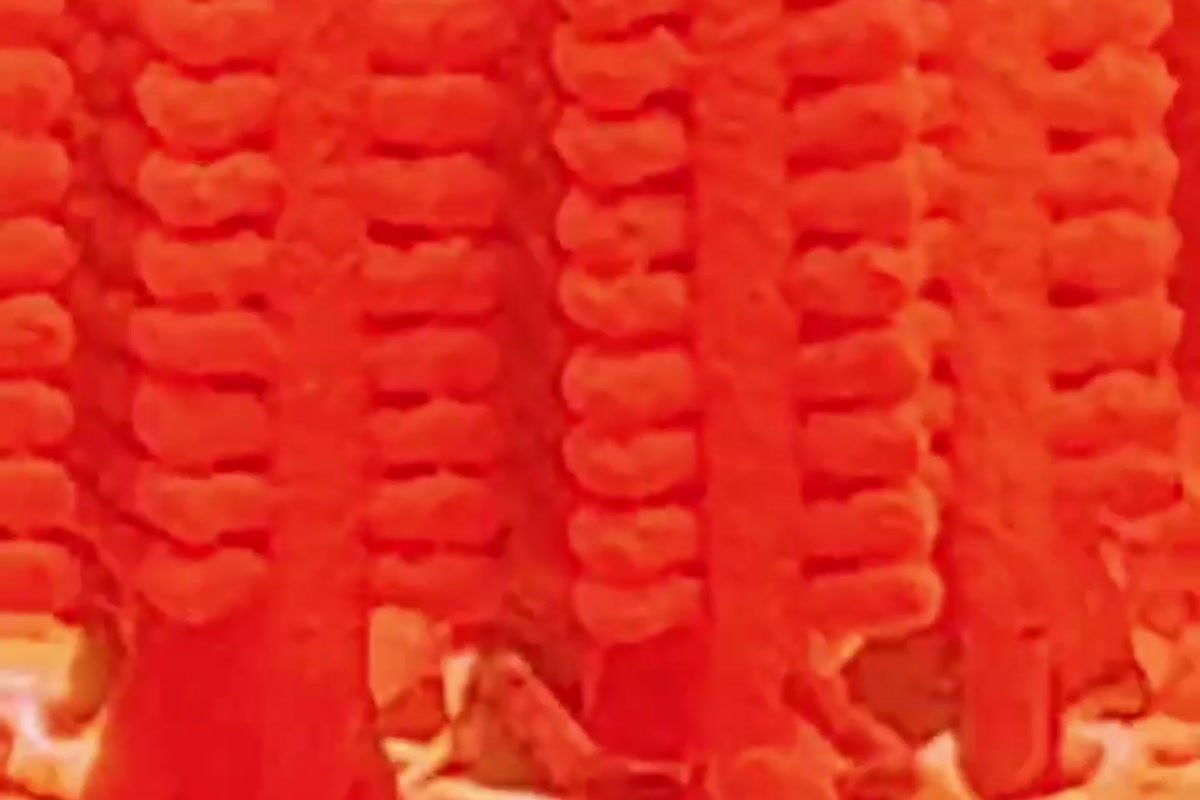
3. The Ceramic Shell Needs Repeated Coating and Drying
The wax tree is dipped in ceramic slurry and coated with different grades of silica sand. Fine material preserves surface details, while coarser layers build strength.
Each layer must dry before the next one is added. The factory repeats this cycle several times, so ceramic shell building normally takes around three days.
This stage is part of lost-wax investment casting. It is sometimes loosely described as “sand coating” in factories, but it is different from ordinary sand casting. Rushing the drying process can cause shell cracks, rough surfaces or casting failure.
For a clear industry overview of this repeated coating and drying stage, see the Investment Casting Institute guide to ceramic shell building.
4. Firing and Pouring Require High-Temperature Equipment
After drying, the shell enters a high-temperature furnace. The wax melts away, leaving a cavity in the exact shape of the jewelry, and the ceramic shell is fired for strength.
Molten stainless steel is then poured into the heated shell. This stage uses specialized equipment, energy and trained operators. A problem with the shell or pouring temperature can affect an entire casting tree, not just one piece.
5. The Casting Must Cool Naturally
The metal cannot be opened or processed immediately after pouring. It normally needs about one day to cool naturally.
Controlled cooling helps the metal stabilize and reduces the risk of deformation or damage. This is genuine process time that cannot be removed simply by adding more workers.
6. Casting Is Only the Start of the Finished Jewelry
After cooling, workers break away the shell and cut every piece from the casting tree. The jewelry is still rough and may have runner marks, casting seams and hard-to-reach recessed areas.
- Grinding and shape correction
- Chemical or machine polishing for gaps
- Fine hand polishing for visible surfaces
- Welding, stone setting or accessory assembly
- Cleaning and surface preparation
- PVD plating or another requested finish
- Final inspection and packing
Detailed cast jewelry normally needs more polishing labor than a simple cut or pressed product. The deeper the pattern and the more three-dimensional the shape, the longer it takes to create a clean, bright finish.
Why Cast Stainless Steel Jewelry Costs More
The cost of cast jewelry is not determined by steel weight alone.
- New tooling: a master and rubber mold are needed for new designs.
- Manual labor: wax patterns, wax trees, cutting and polishing are handled piece by piece.
- Waiting time: mold making, shell drying and cooling cannot be rushed safely.
- Equipment and energy: firing and melting stainless steel require high temperatures.
- Production risk: one casting problem can affect several pieces at once.
- Finishing: complex surfaces need several polishing and treatment stages.
This is why two products using similar amounts of steel can have very different prices.
What B2B Buyers Should Confirm Before Ordering
When sourcing custom stainless steel jewelry, ask the manufacturer:
- Is a new mold required?
- How long will the master and rubber molds take?
- Is the quoted lead time for the sample or bulk order?
- Which stages require buyer approval?
- What polishing and surface finish will be used?
- What happens if the first sample needs adjustment?
An unrealistically short promise may mean that drying, polishing or inspection time is being reduced. A professional OEM jewelry manufacturer should explain the timeline instead of only offering the fastest date.
Is Casting Worth the Extra Time and Cost?
Yes—when the design needs it.
Casting is often the right choice for sculptural rings, detailed pendants, charms, animal designs, logo jewelry and other products with depth or complex surfaces. It offers more design freedom than simple cutting, bending or pressing.
The key is to choose casting because it fits the product, not because it is the only method a supplier offers. A capable factory should compare the options and recommend the most practical production route.
More Than Ten Steps Behind One Finished Piece
A cast stainless steel jewelry piece may look simple when it reaches the customer, but it has already passed through more than ten processes and many hands.
The 15–20 day timeline is not empty waiting. It includes tooling, wax work, repeated shell drying, high-temperature casting, natural cooling and detailed finishing. These stages explain both the longer production time and the higher cost.
DOMI Jewelry supports OEM and ODM stainless steel jewelry development in Dongguan, China. We help buyers evaluate designs, select suitable production methods, develop samples and follow quality through casting, polishing, plating and final inspection.
To discuss a cast jewelry project, contact Vivian with your drawing or reference image, dimensions, quantity, finish and target market.
Email: vivian@domijewelry.com
WhatsApp: +86 137 1718 4558
Frequently Asked Questions
How long does cast stainless steel jewelry take to produce?
A new design commonly takes around 15–20 days from mold development to finished jewelry. The exact time depends on complexity, quantity, sample revisions and finishing.
Why does ceramic shell building take about three days?
The wax tree needs several layers of ceramic slurry and silica sand. Each layer must dry before the next one is applied, creating a shell strong enough for high-temperature casting.
Why is cast jewelry more expensive than cut or pressed jewelry?
Casting needs tooling, repeated manual work, high-temperature equipment, drying and cooling time, and more finishing. Complex pieces also carry greater production risk.
Can the factory shorten the 15–20 day timeline?
Some time can be saved when an existing mold is available. However, shell drying, firing, cooling and detailed polishing still need sufficient time. Product stability should not be sacrificed for an unrealistic delivery promise.