
After choosing the right stainless steel material, the next key factor that determines the final quality of a Cuban chain is manufacturing and surface finishing.
Even with the same material, different finishing methods can result in very different appearance, texture, durability, cost, and market positioning.
Surface Finishing Is a System, Not a Single Step
Many buyers think of polishing as a single step.
In real production, surface finishing is a system of different processes, each serving a different purpose.
There is no absolute “best” method — only the most suitable one for your product positioning.
Two Main Categories of Stainless Steel Chain Surface Finishing
1.Chemical Surface Treatment
Electrolytic Treatment
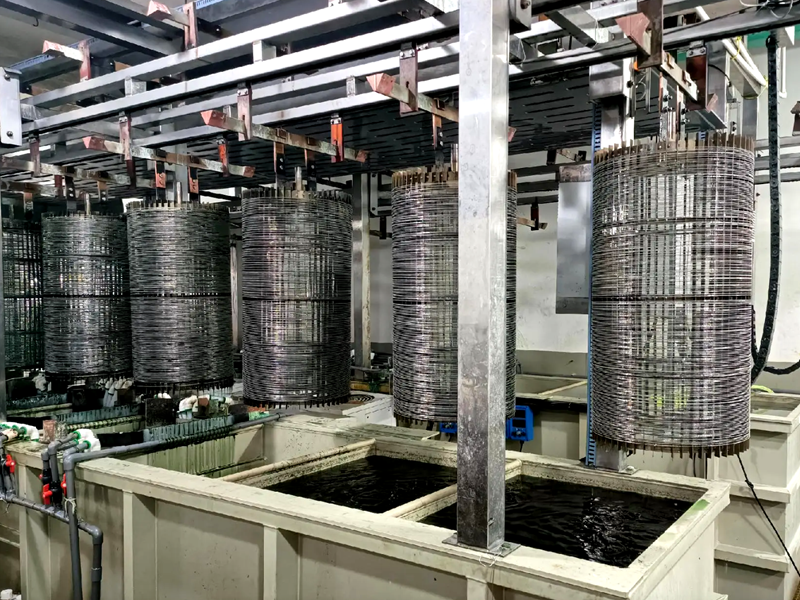
Electrolytic treatment is a basic surface process where chains are immersed in a corrosive solution and electrified.
This process removes burrs and rough surfaces through controlled chemical corrosion.
This is a standard process for most machine-made chains
Many mid- and low-end chains can be shipped directly after electrolysis
Suitable when quality requirements are not high
Electropolishing
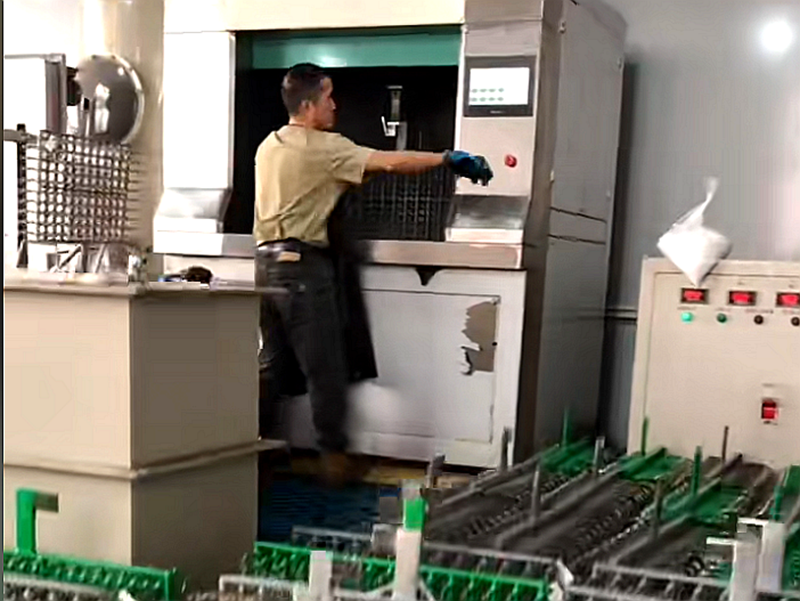
Electropolishing is an upgraded version of electrolysis and is usually applied to finished products.
Each chain is individually hung on special racks and processed through electrified mist solutions.
This process makes the surface smoother and brighter, and also improves surface hardness and wear resistance.
- Improves brightness and smoothness
- Enhances wear resistance
- Often used as a quality upgrade option
2.Physical Surface Finishing
Tumbling / Barrel Polishing
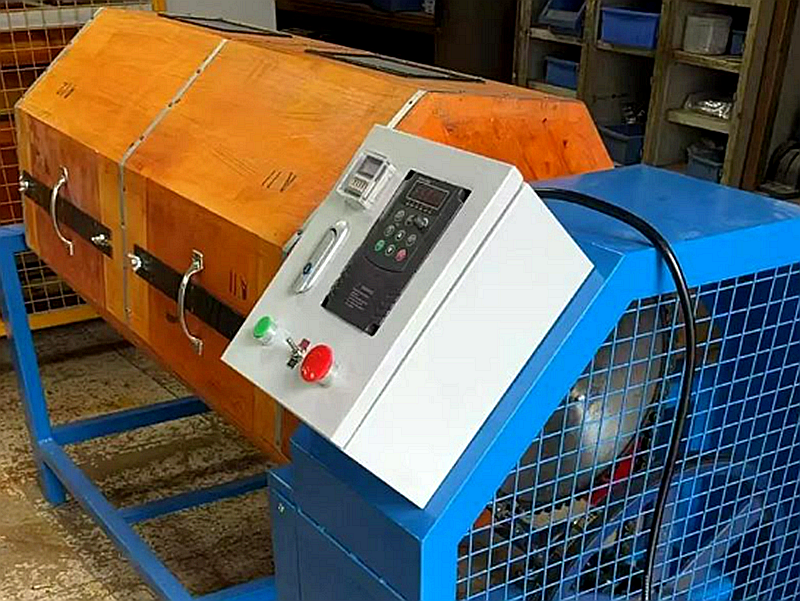
Chains are placed into rolling or vibrating machines with abrasives, allowing friction over 2–3 days to gradually polish the surface.
This method is efficient and cost-effective.
Suitable for mid-range quality
High efficiency, good for bulk production
Widely used in the market
Hand Polishing
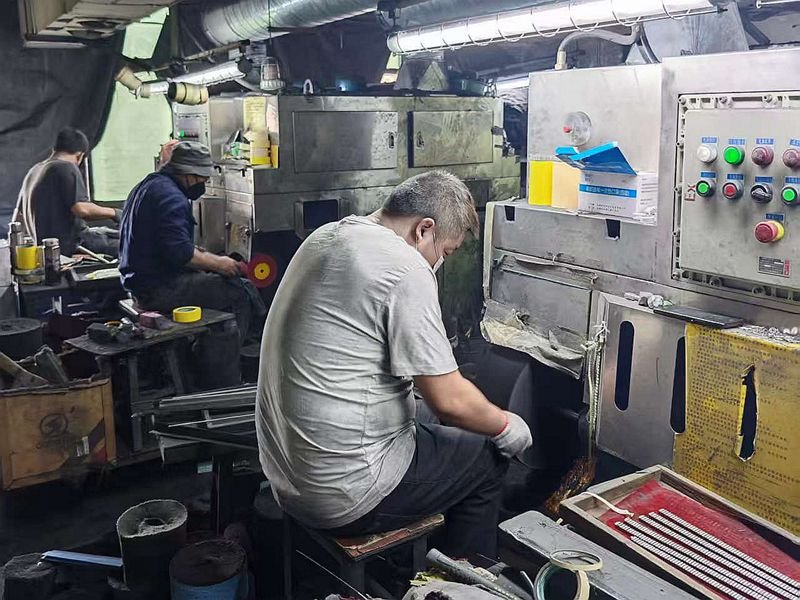
Hand polishing is performed by skilled workers using polishing wheels and wax to polish each surface individually.
This method delivers a much higher level of finish.
Produces mirror-like finish
Greatly improves smoothness and visual quality
High labor cost, used for high-end products
Additional Effects Achieved by Hand Polishing
Besides mirror polish, hand polishing can also create a brushed metal finish, offering a more restrained and premium look.
Cost Level Comparison (From High to Low)
Hand Polishing > Electropolishing > Tumbling > Electrolysis
Market Reality: What Most Products Actually Use
For mid- and low-end products that prioritize price,
electrolysis and tumbling (alone or combined) are already sufficient.
This combination represents the best balance between cost and quality and is widely used across the market.
When Higher Quality Is Required
If higher brightness or durability is required, electropolishing can be added.
For thick Cuban chains with large flat surfaces and premium positioning, hand polishing is strongly recommended.
Final Takeaway
Not every product needs hand polishing.
Each surface finishing method serves a different purpose depending on chain type, market positioning, budget, and target customer.
There is no absolute superiority —
choosing the most suitable process for your needs is the correct strategy.
Want to Learn More?
If you have questions about any finishing method, or want to understand which process best fits your product, feel free to contact the author for further discussion.